No agents. No commissions. Transparent and secure listings on OwnerEstates.
Discover properties listed directly by owners across the UAE.
Dubai Production City (DPC), previously known as International Media Production Zone (IMPZ), stands as one of Dubai’s most notable freehold developments. Designed as a media-centric community, DPC has evolved into a vibrant residential and commercial hub with an appeal that extends well beyond the media industry. For international buyers and investors, the area offers a blend of affordability, accessibility, community living, and consistent rental demand. This guide provides a comprehensive, up-to-date overview intended to support prudent investment decisions, with a focus on due diligence and transparency.
Established by TECOM Group, Dubai Production City is strategically located in the heart of Dubailand, adjacent to major arteries like Sheikh Mohammed Bin Zayed Road and close to Dubai Sports City and Jumeirah Village Circle (JVC). The area's master plan integrates residential, commercial, and retail spaces amid landscaped surroundings. Over the years, it has gained traction among a diverse demographic, from young professionals and families seeking affordability to corporations and investors recognizing its potential for stable returns.
Affordability remains a cornerstone of Dubai Production City’s appeal to both occupiers and investors. Compared to more established neighbourhoods like Dubai Marina or Downtown Dubai, DPC offers relatively lower entry prices for apartments, with a mix of studios, one-, two-, and three-bedroom units catering to a wide range of budget brackets. This price positioning attracts first-time buyers, remote workers, families relocating to Dubai, and investors looking for cost-effective real estate portfolios.
Due Diligence Tip: Always compare the latest property listings via established real estate portals and consult with registered real estate brokers to validate availability, pricing, and payment plan terms.
Dubai Production City benefits from a relatively stable residential rental market, driven by the community’s affordability and continual influx of residents seeking conveniently located, value-oriented housing. International buyers often consider rental yields as a key performance metric. While DPC has demonstrated resilience, yields can fluctuate due to macroeconomic cycles, supply-demand balance, regulatory updates, and market sentiment.
Due Diligence Tip: Investors should review the latest rental contracts, actual transaction records, and consult the DLD’s official statistics to form a prudent estimate of anticipated rental returns.
Dubai’s property market is regulated to provide transparency, ownership security, and fair practices. Dubai Production City, being a designated freehold area, allows foreign nationals to purchase, own, lease, and sell properties, subject to applicable laws and the local real estate registration authority (DLD).
Due Diligence Tip: Always ensure developers are registered with the DLD, request original title deeds, verify that no outstanding service charges are due, and rigorously authenticate property legal status before committing to a purchase.
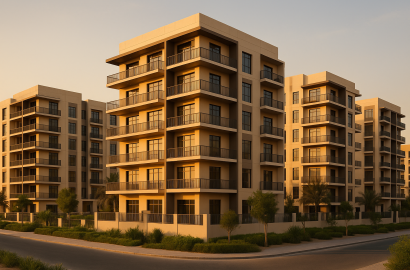
Dubai Production City is home to several completed and emerging projects, predominantly focusing on residential apartment complexes. Property types include:
Project availability, construction status, move-in schedules, and specification levels differ by developer. Investors are encouraged to conduct physical inspections, request up-to-date handover timelines, and seek independent snagging inspections for quality assurance.
For overseas buyers and investors, adhering to a methodical approach minimizes risk and enhances investment transparency:
Dubai Production City is a freehold area that allows foreign nationals to purchase and own property subject to DLD registration and prevailing laws. Its affordability and rental demand have made it attractive for international buyers, though every investor should verify their eligibility and specific project terms.
Rental yields can be estimated by comparing purchase prices against current leasing rates. It is recommended to use Dubai Land Department data and recent transaction records for more accurate calculations, as yields can fluctuate based on various market factors.
Some banks and financial institutions in the UAE offer mortgage products to non-resident, international buyers. Eligibility criteria, loan-to-value ratios, and interest rates are subject to change. Direct consultation with registered lenders is advised for the latest terms.
Buyers should confirm property ownership, developer credentials, service charges, legal documentation, and financing options. Review all contracts through a qualified legal advisor and rely on official DLD data for transaction verification.
Dubai Production City represents a compelling mix of affordability, community amenities, and rental market stability that appeals to a wide range of international buyers and investors. While past performance and current market trends are positive indicators, it is essential to conduct thorough due diligence, validate all pricing and yield information via official channels, and engage with DLD-registered professionals throughout the purchase or investment process. As the Dubai real estate landscape continues to evolve, investors in DPC can position themselves for both short- and long-term opportunities, provided they remain diligent, informed, and responsive to regulatory and market updates.
Sales activity calculated dynamically from verified Dubai Land Department transaction records available to OwnerEstates.
Explore Liwan, Dubai: a prime community blending affordability, connectivity, and vibrant living. This guide offers insights for international buyers and investors evaluating Dubai real estate.
Explore Majan, Dubai's growing residential hub, through a comprehensive guide on property options and essential buyer due diligence for international investors.

 Dubai Residential Price per Square Foot: How Buyers Should Use the Metric
 Liwan Dubai Property Guide: Affordability, Connectivity and Community Living
 Majan Dubai Property Guide: Emerging Residential Options and Buyer Due Diligence
 Dubai Science Park Property Guide: Location, Housing and Investment Fundamentals
 Dubai Studio City Property Guide: Residential Options and Buyer Considerations