Introduction
Downtown Dubai stands out as one of the world’s most recognizable urban districts, drawing attention from international property buyers, expatriates, and institutional investors. As the skyline continues to evolve in 2026, the district remains a focal point for those seeking residential, commercial, and mixed-use property in the United Arab Emirates. However, with this prestige comes the responsibility to approach the market with diligence and critical analysis. This guide outlines the factors that buyers and investors should systematically evaluate when considering a Downtown Dubai purchase, with particular emphasis on due-diligence practices and risk assessment.
Understanding the Downtown Dubai Market Landscape
Downtown Dubai is globally renowned for its blend of iconic landmarks, premium developments, and vibrant urban lifestyle. The area comprises prestigious residential towers, branded residences, luxury hotels, and cultural attractions. The real estate market here is dynamic, influenced by both global and regional factors. For buyers in 2026, understanding the evolving landscape is crucial before committing to a transaction.
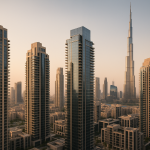
- Urban Core: Home to the Burj Khalifa, The Dubai Mall, and Dubai Opera, Downtown Dubai offers neighborhood appeal and international attention.
- Developer Activity: The area features projects by major development firms, adding to its prestige but also complexity in terms of property offerings and purchase terms.
- Mixed-Use Options: Choices range from high-rise apartments, penthouses, and serviced residences to offices and retail space.
Key Due-Diligence for International Buyers
Due-diligence is paramount for any property purchase, but international buyers must take additional steps to navigate market unfamiliarity and mitigate risks. Below are critical considerations:
- Legal Title and Ownership Structure: Verify whether the target property permits foreign ownership and determine the type of title (freehold or leasehold). Dubai Land Department records and registered contract review are essential.
- Developer Reputation and Track Record: Investigate the history, delivered projects, and solvency of the developer. Request historical completion timelines and current regulatory standing.
- Due Diligence on Payment Plans and Financing Options: Confirm payment structures, milestone schedules, and available financing (including mortgage eligibility for non-residents), ideally validated by licensed lenders or brokers registered in the UAE.
- Independent Legal Representation: Engage a UAE-qualified legal practitioner familiar with international cross-border transactions and local property law.
- Service Charges, Maintenance, and Community Fees: Obtain up-to-date service charge information from the Dubai Land Department or Owner Association Management. Review the scope and transparency of service offerings.
- Regulatory Compliance and Approvals: Confirm that all relevant authorities (Dubai Land Department, Real Estate Regulatory Agency) have approved the project and that all developer and agent licenses are valid.
- Verification of Pricing and Yield Data: Always cross-check asking prices, rental yields, and recent sale benchmarks via verified property listings, DLD official data, and reputable agencies—do not rely solely on promotional material or informal market hearsay.
Evaluating Pricing, Inventory, and Availability
Dubai’s property market, particularly Downtown, is subject to fluctuations in supply and demand. As a result, buyers should:
- Consult Multiple Sources: Use primary listings (including developer portals, licensed agent websites, and the Dubai Land Department’s official platforms) to analyze current pricing and property availability.
- Verify Inventory: Confirm that units are truly available and not double-listed or under prior reservation—request written confirmation from sellers or developers.
- Assess Historical Trends: Review historic transaction data available via the DLD Real Estate Transaction Price Index to gauge past price and demand movements, noting that past performance is not a guarantee of future outcomes.
Rental Yields, Occupancy, and Projected Returns
Downtown Dubai properties are popular for both personal use and as investment assets. When evaluating these properties for yield potential, exercise caution:
- Rental Yield Calculation: Always calculate gross and net yields using real, verified market rents and the full spectrum of annual costs (service charges, maintenance, taxes, vacancy loss, management fees).
- Rental Demand Analysis: Consider factors such as location desirability, quality of the development, accessibility, and anticipated supply.
- Avoid Promises: Do not rely on marketing materials offering guaranteed returns. Instead, request rental histories and consult DLD data for actual occupancy rates.
- Understand Legal Obligations: Research relevant Dubai tenancy laws, including contract renewal procedures, rent caps, and dispute resolution processes. Legal compliance is essential to mitigate risk as a landlord.
Establishing the Credibility of Sellers and Agents
The presence of both primary (developer) and secondary (resale) transactions in Downtown Dubai means buyers must authenticate all parties involved:
- Broker Licensing: Ensure all agents are registered with the Real Estate Regulatory Agency (RERA). Request broker IDs and verify online.
- Seller Due-Diligence: For secondary market units, verify ownership status, absence of encumbrances, and that the current owner holds clear title.
- Third-Party Representation: Where possible, appoint a trusted UAE-based third party (law firm, conveyancer) to conduct transaction oversight and escrow protection.
Ownership Costs and Ongoing Fees
Buyers should plan for ongoing costs associated with Downtown Dubai ownership, which can impact long-term value and return profiles:
- Service Charges: These cover building maintenance, communal area operations, and amenities. Amounts vary and should always be confirmed directly from the developer or building Owners Association.
- Transaction Fees: Buyers pay transfer fees to the Dubai Land Department, agency commissions, and, in some cases, mortgage arrangement fees.
- Tax Considerations: While Dubai is known for a favorable tax environment, always review the latest local and international tax obligations with a qualified advisor to avoid unexpected liabilities.
Legal and Regulatory Environment in 2026
Dubai’s property market operates under an evolving legal framework designed to protect investors and promote transparency. In 2026, international buyers should:
- Regularly Consult DLD and RERA: Access official updates on regulatory changes, foreign investment rights, and ownership procedures.
- Stay Informed on Compliance: Ensure that all due diligence checks align with the prevailing regulatory landscape—regulations can impact both purchase process and long-term property use.
- Document Verification: Confirm authenticity of all transaction documents (MOUs, sale and purchase agreements, proof of payment) through licensed conveyancers or legal counsel.
Frequently Asked Questions
- How do I verify whether a Downtown Dubai property allows foreign ownership?
Consult Dubai Land Department records and confirm with the developer or selling agent. Only transact with clear, documented ownership entitlements. - What documents are essential for due-diligence?
Key documents include title deed, no-objection certificate, RERA-registered sale contract, recent service charge statements, and identity verification of all parties. - Can I finance property as a non-resident?
Several UAE-based banks offer mortgages to non-residents, though eligibility criteria and required documentation can vary. Consultation with licensed mortgage advisors is recommended. - Where can I access accurate price and transaction data?
Rely on the Dubai Land Department’s official data services and multiple independent property listing portals operated by licensed agents. - Am I allowed to rent out my Downtown Dubai property?
Owners in Downtown Dubai can generally rent out their property, subject to DLD regulations and adherence to community rules. Short-term rentals may require special permits.
Conclusion
Downtown Dubai continues to attract the attention of discerning buyers and investors in 2026, offering an unprecedented blend of urban lifestyle, global cachet, and architectural distinction. However, the responsibility for a successful transaction lies in methodical due-diligence, rigorous verification of all data, and continuous consultation with reputable, officially registered stakeholders. Market conditions, availability, costs, yields, and legal frameworks are subject to regular change. For optimal outcomes, buyers should prioritize transparency, utilize authoritative resources, and seek independent legal and financial counsel at every stage. In a market revered for its promise and complexity alike, a balanced, knowledge-driven purchase approach remains crucial.
 Dubai Silicon Oasis Property Guide: Value, Connectivity and Buyer Considerations
 Jumeirah Lake Towers Investment Guide: Apartments, Connectivity and Lifestyle
 Jumeirah Village Circle Property Guide for Buyers and Investors
 Downtown Dubai Property Guide: What Buyers Should Evaluate in 2026
 Dubai Marina Investment Guide 2026: Lifestyle, Demand and Buyer Considerations